
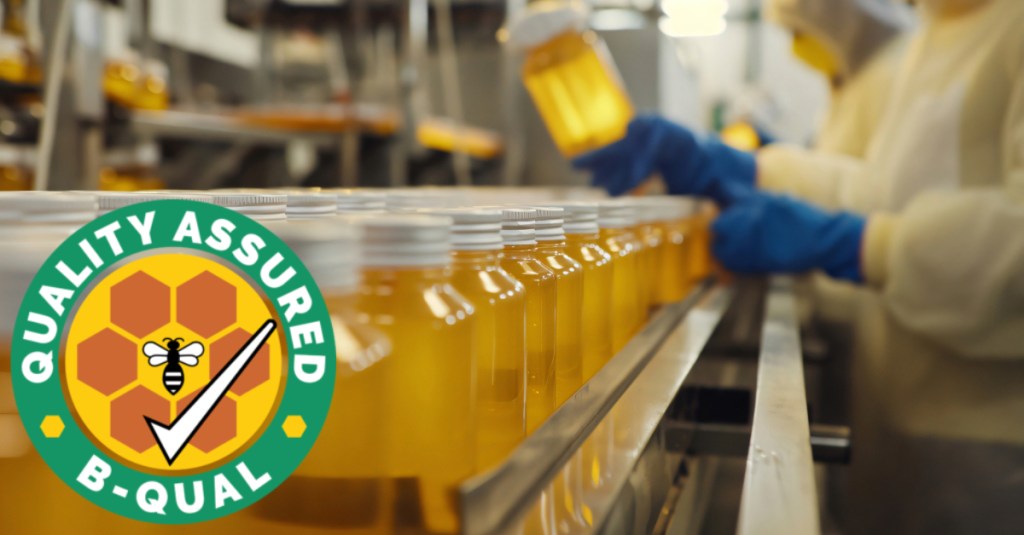
Western Australia’s honey industry is renowned for its premium quality and pristine production environment. One of the key programs ensuring this reputation is upheld is B-Qual. But what exactly is B-Qual, and why is it important for beekeepers, consumers, and wholesalers alike? Here’s everything you need to know.
What Is B-Qual?
B-Qual is a national quality assurance program specifically designed for the Australian beekeeping industry. It provides a framework for best practices in hive management, honey production, and biosecurity. The program is voluntary but widely adopted by professional beekeepers who are committed to maintaining the highest standards in their operations.
The B-Qual system is underpinned by the Australian Honey Bee Industry Biosecurity Code of Practice, ensuring that all participating beekeepers follow strict guidelines to protect the health of their bees, the quality of their honey, and the integrity of their operations.
Why Is B-Qual Necessary?
Western Australia’s isolation and stringent biosecurity measures have allowed the state to maintain a healthy bee population and produce some of the world’s finest honey. However, the growing demand for honey and increasing global trade bring risks, such as the spread of pests and diseases. Here’s why B-Qual is essential:
- Protecting Biosecurity
- B-Qual ensures beekeepers adhere to practices that minimize the risk of introducing or spreading pests and diseases like Varroa mite and American foulbrood.
- Ensuring Quality and Safety
- By following B-Qual guidelines, beekeepers produce honey that meets the highest standards of purity and safety, giving consumers confidence in the product.
- Supporting Market Access
- Many wholesalers and international buyers require proof of adherence to quality assurance programs like B-Qual, making it a valuable credential for producers looking to expand their markets.
- Promoting Sustainability
- The program encourages sustainable beekeeping practices, ensuring the long-term health of bee populations and the environment.
What Consumers Should Know About B-Qual
For consumers, the B-Qual logo is a mark of trust. When you purchase honey from a B-Qual-accredited producer, you can be confident that:
- The honey is pure and free from contaminants.
- The bees are managed responsibly, with their health and welfare prioritized.
- The producer follows environmentally sustainable practices.
Look for the B-Qual logo on honey packaging to support beekeepers who are committed to maintaining these high standards.
What Wholesalers Should Know About B-Qual
For wholesalers, sourcing honey from B-Qual-accredited producers ensures:
- Consistent Quality: B-Qual producers follow strict protocols, delivering honey that meets market expectations.
- Regulatory Compliance: Accreditation demonstrates compliance with Australian biosecurity and food safety regulations, making it easier to meet the requirements of domestic and international markets.
- Enhanced Reputation: Partnering with B-Qual-accredited suppliers signals a commitment to quality and sustainability, boosting your brand’s credibility.
How to Become B-Qual Accredited
Beekeepers in Western Australia who want to join the B-Qual program can follow these steps:
- Register for B-Qual
- Contact the B-Qual administration team to start the registration process.
- Complete Training
- Undertake training in best practices for hive management, honey production, and biosecurity.
- Implement a Quality Assurance System
- Set up record-keeping and operational processes that comply with B-Qual requirements.
- Undergo Audits
- Participate in regular audits to maintain accreditation and demonstrate ongoing compliance.
Conclusion
B-Qual is more than just a certification program; it’s a commitment to excellence in beekeeping. By adhering to B-Qual standards, Western Australian beekeepers not only protect their industry but also deliver exceptional honey that consumers and wholesalers can trust. Whether you’re a beekeeper, a wholesaler, or a honey lover, supporting B-Qual-accredited honey helps ensure the sustainability and quality of this vital industry.
 Harvest and Hive Collective