
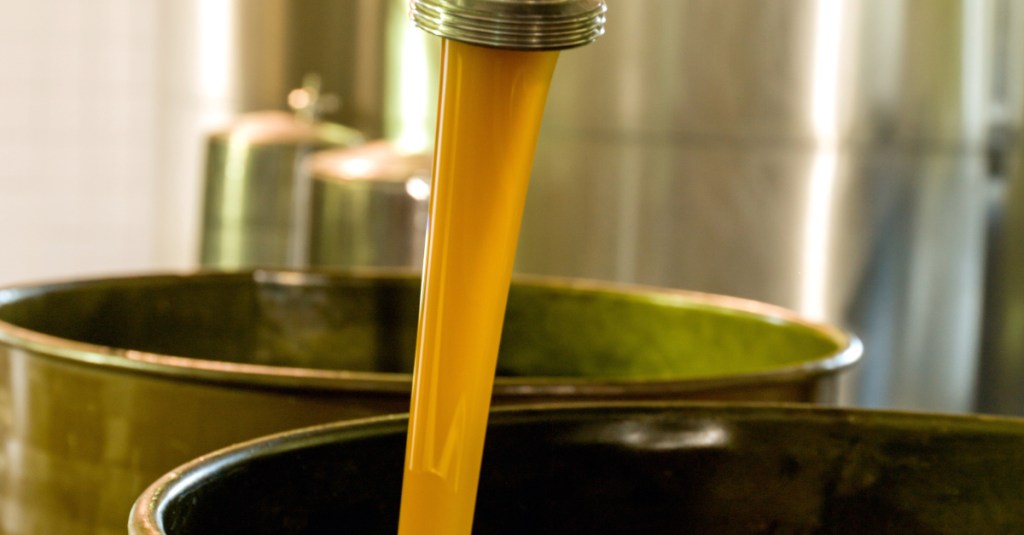
Western Australian honey is celebrated for its unique flavors and exceptional quality, making it a sought-after product for wholesalers. However, purchasing honey in bulk requires due diligence to ensure the quality, authenticity, and safety of the product. Here’s a guide on what buyers should ask and the steps to take to protect themselves and their businesses.
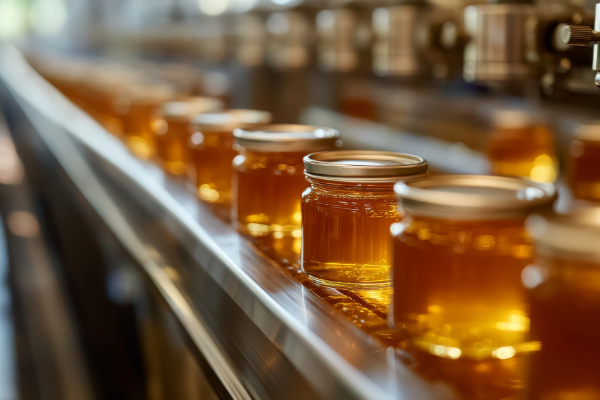
Key Questions to Ask When Purchasing Honey Wholesale
- Is the Honey Unadulterated?
- Ensure the honey you’re buying is free from adulteration. Ask for test results or certificates verifying its authenticity.
- What Variety of Honey Is Being Supplied?
- Western Australia is known for unique monofloral honeys like Jarrah, Blackbutt, Karri, and Wandoo. Confirm the variety and its origin to match your market needs.
- Is the Honey Certified?
- Check if the honey has certifications such as B-Qual, or B-Trace. These certifications demonstrate compliance with industry standards and quality assurance.
- Where Are the Apiaries Located?
- The location of the hives can impact the flavor profile and purity of the honey. Ensure the hive sites meet biosecurity regulations.
- Can You Provide Traceability Documentation?
- Traceability ensures that the honey’s journey from hive to jar can be tracked, offering transparency and reassurance to your customers.
- What Is the Shelf Life of the Honey?
- Honey has a long shelf life, but it’s essential to confirm storage and handling practices to maintain quality over time.
- What Are the Payment Terms and Delivery Conditions?
- Clarify payment schedules, delivery timelines, and any minimum order quantities to avoid surprises.
- Do You Provide a Certificate of Analysis (COA)?
- A COA verifies the honey’s quality, including moisture content, pollen count, and Total Activity (TA) levels for medicinal honeys like Jarrah.
Steps to Protect Yourself and Your Business
- Verify the Supplier’s Credentials
- Research the supplier’s reputation and history. Look for reviews, testimonials, or references from other buyers.
- Request Samples Before Committing
- Always test the product’s quality before placing a large order. Sampling ensures the honey meets your expectations.
- Understand Food Safety Regulations
- Familiarize yourself with Australian food safety and labeling regulations to ensure the honey complies with legal requirements.
- Secure a Written Contract
- Outline all terms in a formal contract, including price, delivery terms, quality standards, and dispute resolution processes.
- Ensure Proper Insurance Coverage
- Verify that the supplier has adequate insurance to cover potential issues like contamination or supply interruptions.
- Audit the Supplier’s Facilities
- If possible, visit the supplier’s production and storage facilities to ensure they follow proper hygiene and storage practices.
- Retain Documentation
- Keep detailed records of all transactions, including invoices, contracts, and traceability documents, for accountability and compliance.
Why Due Diligence Matters
Failing to properly vet your honey supplier can lead to:
- Brand Reputation Damage: Selling low-quality or adulterated honey can harm your brand’s reputation.
- Legal Consequences: Non-compliance with food safety regulations can result in fines or business closures.
- Financial Loss: Poor-quality products or unreliable suppliers can disrupt your operations and lead to financial setbacks.
Conclusion
Purchasing Western Australian honey wholesale is an excellent way to offer a premium product to your customers, but it’s crucial to take the necessary precautions. By asking the right questions and following best practices, you can ensure that you’re sourcing high-quality honey while protecting your business.
If you’re new to wholesale honey purchasing, consider starting with trusted suppliers who can provide the certifications and documentation needed to build trust and confidence in your products. Western Australian honey is a treasure worth investing in—when sourced responsibly.
 Harvest and Hive Collective