
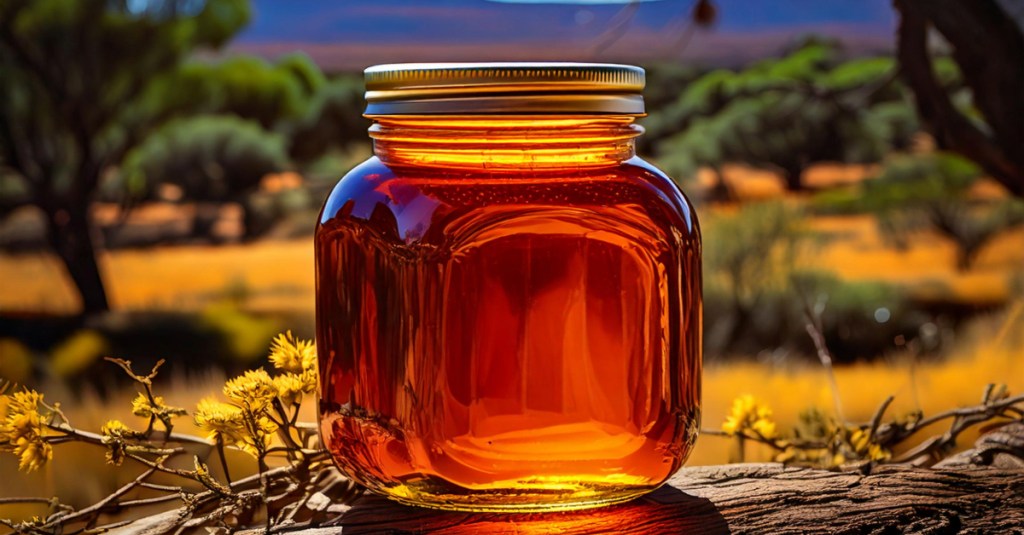
Western Australia is renowned for its pristine environment and world-class honey, with iconic varieties like Jarrah, Karri, and Red Gum earning accolades for their purity and health benefits. However, as the Western Australian honey industry grows, so does the responsibility of every producer and packer to uphold the highest standards—particularly when it comes to labeling monofloral honeys.

What Is Monofloral Honey?
Monofloral honey is a premium variety predominantly derived from the nectar of a single plant species. These honeys boast unique flavors, colors, and health benefits that reflect the characteristics of their floral source. In Western Australia, monofloral honeys like Jarrah and Karri stand out for their distinct qualities, making them highly sought-after both locally and globally.
But with great demand comes the need for clear and honest labeling to ensure consumer trust and industry credibility.
Why Accurate Labeling Matters
- Protecting Consumer Trust • Honey enthusiasts often choose monofloral honey based on its purported health benefits or distinctive taste. Inaccurate or misleading labeling can cause confusion, leading customers to doubt the authenticity of the products they purchase. • Once trust is broken, it can be challenging to rebuild, and this distrust can extend to the broader Western Australian honey industry.
- Preserving Industry Reputation • Western Australia has a golden opportunity to position its honey as a global benchmark for quality and purity. However, this reputation can be undermined if some players fail to adhere to industry standards. • Mislabeling affects all stakeholders, from beekeepers to exporters, as international buyers may question the credibility of our entire supply chain.
- Ensuring Fair Competition • Producers who invest in authentic monofloral honey production rely on accurate labeling to justify premium pricing. Misrepresentation by others creates an uneven playing field, discouraging honest practices and innovation.
The Risks of Mislabeling
Mislabeling monofloral honey doesn’t just confuse customers—it damages the collective reputation of Western Australian honey. Consumers might:
- Question the authenticity of all WA honey products.
- Opt for imported alternatives, believing local products lack transparency.
- Feel overwhelmed by conflicting claims, leading to reduced overall consumption of WA honey.
For producers and packers, the consequences of mislabeling could include regulatory fines, damaged relationships with distributors, and long-term reputational harm.
Building a Stronger Future Through Accountability
The solution begins with a unified commitment to adhering to industry standards. This includes:
- Comprehensive Testing: Ensuring accurate identification of floral sources through verified laboratory methods.
- Transparent Labeling: Clearly stating the floral source and adhering to guidelines set by industry bodies and regulators.
- Education and Awareness: Helping customers understand the value of monofloral honeys and the processes involved in guaranteeing their authenticity.
At Harvest and Hive Collective, we’re proud to support the Western Australian honey industry by championing transparency and quality in every jar we produce. We believe that by working together to uphold rigorous labeling standards, we can secure a brighter future for WA honey—one built on trust, integrity, and global recognition.
Let’s Protect Our Legacy
Western Australian honey producers have a responsibility to protect the legacy of our unique and pristine ecosystem. By doing the right thing with labeling and ensuring honesty at every step, we can strengthen our industry’s reputation and continue to share our incredible honey with the world.
Together, let’s make Western Australian honey synonymous with excellence.
 Harvest and Hive Collective