
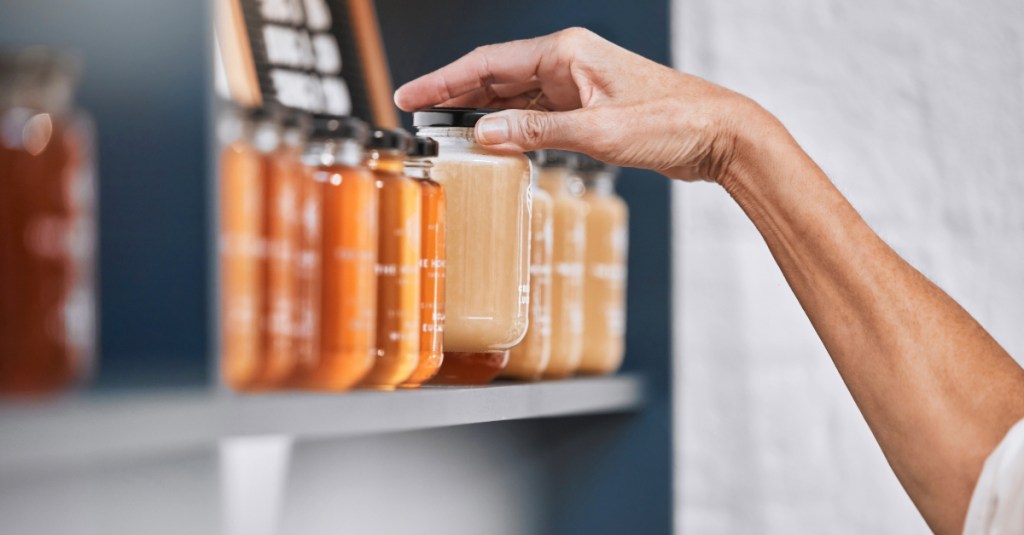
Pricing your honey isn’t just about covering costs—it’s about communicating value, building trust, and ensuring the sustainability of your business. Striking the right balance is essential: price too low, and customers may doubt the quality of your product; price too high, and they may look elsewhere for cheaper alternatives.
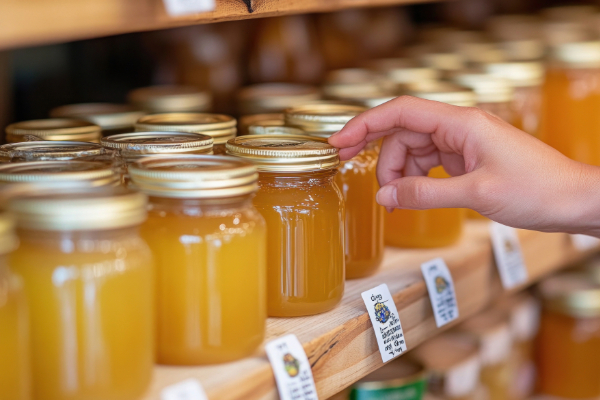
Here’s why getting your pricing right is crucial for your success as a honey producer.
The Risks of Pricing Too Low
- Perceived Quality
- In the world of honey, price often signals quality. A jar priced significantly lower than market standards might lead customers to question its authenticity or purity.
- Customers associate premium pricing with premium products, especially when it comes to sought-after varieties like Jarrah or Karri honey.
- Unsustainable Business Practices
- Pricing too low may not cover your expenses, from beekeeping equipment and labor to packaging and marketing.
- Over time, selling below cost can drain your resources, making it difficult to maintain your operation or invest in growth.
- Devaluing the Industry
- Low pricing can create unrealistic expectations among consumers, putting pressure on other producers to follow suit and potentially lowering the perceived value of your entire market.
The Risks of Pricing Too High
- Customer Loss
- While premium honey commands higher prices, setting your rates too far above the competition may drive customers to more affordable options, even if they’re of lower quality.
- Price-sensitive customers may prioritize budget over perceived benefits, especially if they’re unfamiliar with your brand.
- Limited Market Reach
- Overpricing can hinder your ability to enter wholesale markets or secure bulk orders, as retailers and distributors often have strict pricing margins.
Finding the Sweet Spot
To determine the right price for your honey, consider these key factors:
- Cost Price Calculation
- Start by calculating the total cost of producing your honey, including:
- Hive maintenance and beekeeping supplies.
- Labor and time spent on production.
- Packaging materials and labeling.
- Marketing, distribution, and any other overhead expenses.
- Don’t forget to value your time. Your expertise and effort are integral to the process and should be factored into your pricing.
- Start by calculating the total cost of producing your honey, including:
- Market Research
- Analyze the pricing of similar products in your market. Understanding what customers are willing to pay for premium honey can help you position your product appropriately.
- Highlight unique selling points like monofloral origin, organic certification, or health benefits to justify your pricing.
- Profit Margin
- Ensure your pricing includes a healthy profit margin. This not only sustains your business but also allows for future investments, such as expanding your product line or improving production efficiency.
- A strong margin enables opportunities for wholesale partnerships, which often require discounted rates for bulk orders.
Communicating Value to Customers
Your price should reflect the value of your honey. Educate your customers on what makes your product special:
- The unique properties of your honey, such as its floral source or health benefits.
- The sustainable and ethical practices involved in your production process.
- The craftsmanship and care that goes into every jar.
When customers understand the story behind your honey, they’ll be more willing to pay a fair price that aligns with its quality.
Pricing for Growth and Sustainability
Correctly pricing your honey ensures that your business can thrive in the long term. It allows you to:
- Reinvest in your operation, from upgrading equipment to expanding your apiaries.
- Explore wholesale opportunities, increasing your reach and revenue.
- Build a sustainable business that supports you and your community.
At the end of the day, pricing is about balance. By valuing your time, covering your costs, and communicating your honey’s value, you’ll create a pricing strategy that attracts customers, sustains your business, and supports the growth of Western Australia’s honey industry.
You can download your free simple pricing guide here.
 Harvest and Hive Collective