
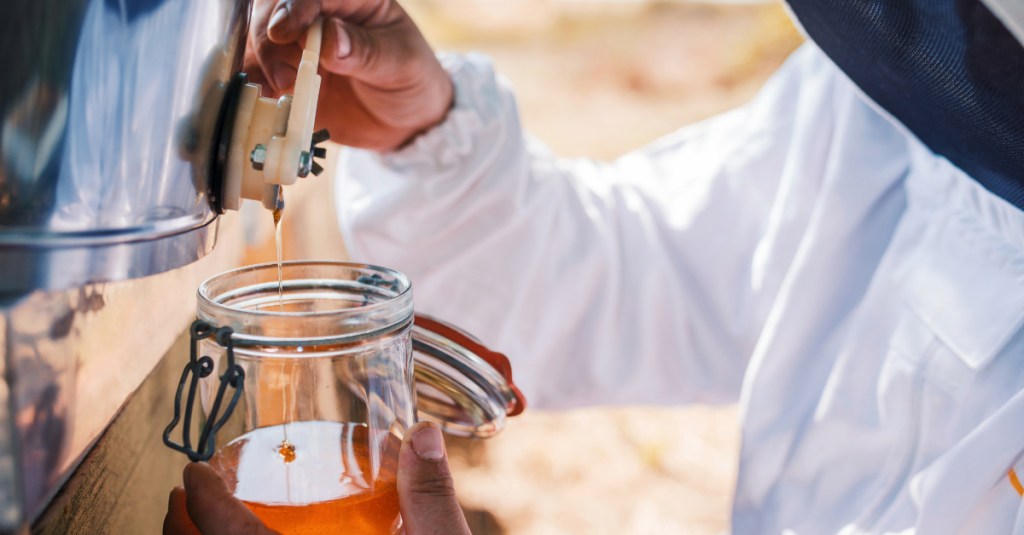

Beekeeping is a rewarding craft that connects you to nature and supports vital ecosystems, but if you’re considering selling your honey to the public in Western Australia, you may be wondering: is being registered as a beekeeper enough? While registration is a critical step, it’s only the beginning of the legal and ethical requirements needed to sell honey safely and responsibly.
Why Beekeeper Registration Matters
In Western Australia, anyone keeping bees must register with the Department of Primary Industries and Regional Development (DPIRD). This ensures that all beekeepers comply with biosecurity requirements, such as:
- Monitoring for diseases like American Foulbrood (AFB).
- Preventing pests, including the potential spread of the Varroa mite.
- Supporting a traceable system to protect the beekeeping industry.
However, registration alone doesn’t cover the additional responsibilities needed to sell your honey to the public.
What Else is Required to Sell Honey?
1. Meet Food Safety Standards
Selling honey is considered selling food, so it must comply with food safety regulations set out by the Food Standards Code of Australia and New Zealand. This includes:
- Proper Handling: Honey must be extracted, stored, and packed in a way that prevents contamination.
- Labeling Requirements: Every jar must include:
- Product name (e.g., Jarrah Honey).
- Net weight.
- Nutritional information.
- Batch number and best-before date.
- Contact details, including the producer’s name and address.
2. Council Approvals
If you plan to extract or pack honey at home, you may need to register your premises as a food business with your local council. Requirements vary depending on your location, so check with your council about specific conditions, such as inspections and approval of food preparation areas.
3. Accurate Representation of Your Product
Honesty in marketing is critical. Claiming that your honey is monofloral (e.g., Jarrah or Redgum) or raw requires evidence to back it up. For example:
- Laboratory Testing: If you label your honey as Jarrah, it must meet the minimum Total Activity (TA) or MGO levels required for this type of honey.
- Origin and Purity: Ensure your honey is not blended with other sources unless disclosed.
Why These Steps Matter
Skipping these requirements could lead to serious consequences, including fines, the loss of consumer trust, or even harm to public health. Beyond compliance, following these steps helps:
- Build Credibility: Customers trust properly labeled, high-quality products.
- Support the Industry: Adhering to food safety and labeling standards protects WA’s reputation for producing some of the world’s best honey.
- Avoid Market Confusion: Clear labeling helps customers understand what they’re buying, reducing confusion and increasing appreciation for premium honey.
Key Takeaways
Being registered as a beekeeper is essential, but selling honey requires additional steps to meet food safety standards, obtain council approvals, and label products accurately. These requirements not only ensure compliance but also help you build a trustworthy brand that customers value.
If you’re a beekeeper in Western Australia and want to sell your honey, take the time to understand and fulfill these obligations. By doing so, you’ll be contributing to a thriving, sustainable honey industry while offering customers the highest quality product they deserve.
Do you need more guidance on selling honey in WA? Drop us a message—we’re here to help!
 Harvest and Hive Collective