
If you’ve worked in the honey industry, you’ve likely heard it all:
🗣️ “I buy my honey from a guy down the road for way cheaper!”
🗣️ “Why is this jar more expensive? I saw one at the farmers’ market for less!”
🗣️ “My cousin’s friend has hives and gives us pure Jarrah honey!”
These comments highlight one of the biggest challenges in the honey industry: consumer confusion about quality and value.
The Challenge of Transparency
The truth is, not all honey is created equal. While smaller producers can create incredible honey, there’s a misconception that “farm gate” or “backyard” honey is always superior. Unfortunately, without proper oversight, honey from unregulated sources may not meet the same standards as honey produced by professional beekeepers.
Transparency is a consumer right—it ensures people can make informed decisions. However, achieving this requires a combination of ethical business practices, robust regulatory frameworks, and consumer education.
Why Does Certified Honey Cost More?
Here’s why professional, responsibly-produced honey costs more than unlabeled jars at a roadside stall:
1️⃣ Legal Standards: Anyone selling honey must comply with food safety regulations, covering proper handling, packing, and storage.
2️⃣ Labeling Requirements: Every jar should include nutritional panels, weight, contact details, origin, packaging date, and batch numbers.
3️⃣ Processing Practices: Without oversight, some small producers might unintentionally heat, mix, or handle honey in ways that reduce quality.
These standards ensure the honey you buy is safe, pure, and of the highest quality—but meeting them isn’t free. That’s why certified, lab-tested honey often costs more.
The Impact of Misinformation
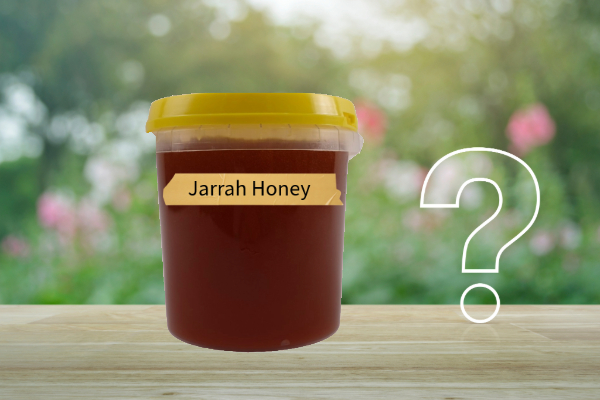
A personal example brings this to life. On a trip to a farm café, my daughter, who has grown up immersed in the honey world, picked up a jar labeled “Jarrah Honey $35.00.” She immediately said, “That’s not Jarrah honey—it’s way too dark.”
To an untrained eye, it might seem like a bargain. But when consumers see lab-tested, properly labeled Jarrah honey priced at $70+, they’re left confused. This confusion harms the reputation of WA’s premium monofloral honeys and undermines the market for quality products.
Why Education Matters
There’s a dismissive attitude toward businesses that adhere to food safety and labeling standards. Yet, these standards are crucial for consumer trust and the sustainability of the industry. Compliance ensures that WA honey maintains its reputation for quality, healing properties, and purity.
The narrative that backyard honey is inherently superior damages the livelihoods of professional beekeepers who invest heavily in meeting stringent regulations. It’s time to challenge these myths and educate consumers about the importance of compliance and the incredible value of WA honey.
Let’s Support Our Beekeepers
Western Australia’s honey industry is facing significant challenges, from the threat of varroa mite to declining honey prices. Supporting local beekeepers and educating consumers about the value of certified, high-quality honey is essential to sustaining this vital industry.
By choosing responsibly-produced WA honey, you’re not just getting an exceptional product—you’re supporting the beekeepers who work tirelessly to protect our bees, our environment, and our future.
 Harvest and Hive Collective